







Why Is Our Sport Being Punished While Science Says Otherwise?
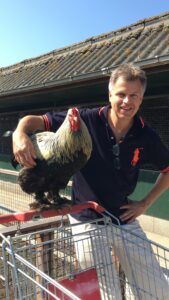 I have just returned from a wonderful wintersport holiday in Austria. It was a short break from daily routines, filled with fresh mountain air, snow, and time to clear the mind. There is nothing like the crisp air of the Alps to recharge the batteries and remind you why we do everything with such passion.
During the journey back home, something caught my attention. Along the fields and waterways, we saw large groups of migrating birds: wild geese and wild ducks. It was an impressive sight, something we often witness at this time of the year as birds move across Europe.
That moment immediately brought my thoughts back to the current situation our pigeon sport finds itself in today. While we were traveling and seeing these migratory birds everywhere, the Spring Pigeon Fair in Houten in the Netherlands was taking place at the same time… without pigeons.
That contrast made me think. And that is exactly where the story of this blog begins.
A Sport of Freedom Under Shadow
Pigeon racing is, at its heart, a sport of freedom. But in recent years, an increasingly heavy shadow has fallen over that freedom: avian influenza.
Every fancier feels it. Exhibitions where pigeons are no longer allowed. International fairs where the cages remain empty. Gatherings where fanciers still meet each other, but without the one thing it should really be about: the pigeons themselves.
The international pigeon fair in Kassel has already experienced this. And recently, at the Spring Fair in Houten, pigeons were barred from entry. To outsiders, this may seem like a small detail. To a pigeon fancier, it feels like organizing a football match without a ball. It is time we talk about this honestly.
What Exactly Is Avian Influenza?
 Avian influenza, commonly known as bird flu, is a virus that affects birds. In recent years, especially the H5N1 and H5N8 strains have caused major outbreaks across Europe.
According to studies by organizations such as the European Food Safety Authority (EFSA), the virus is mainly spread by migratory waterfowl, such as ducks and geese. These birds can often carry the virus without becoming seriously ill and spread it over long distances during migration.
For poultry, chickens, turkeys, and ducks the consequences can be severe. When the virus enters a poultry farm, entire flocks are often culled to stop the spread.
But where does the racing pigeon fit into this story? That is exactly the question that is asked far too rarely.
What Does Science Say About Pigeons?
Several scientific studies show that racing pigeons are far less susceptible to avian influenza than poultry. Research conducted by world-renowned institutions has demonstrated a very different reality than current policy suggests.
Key Research Findings
Studies from the following institutions provide clarity:
US National Poultry Research Center (USDA)
St. Jude Children’s Research Hospital
Various international veterinary studies
These studies have consistently demonstrated that pigeons:
Are difficult to infect.
Rarely develop the disease.
Hardly spread the virus further.
In short: from an epidemiological perspective, racing pigeons play little to no role in the spread of avian influenza. Yet, in many regulations, they are simply placed in the same category as commercial poultry farming. That is where the problem begins.
When Policy Makes No Distinction
 Let me be clear: avian influenza is a serious problem. No one in pigeon racing denies that. But policies should be based on scientific facts, not on convenience or broad strokes.
When studies show that racing pigeons do not play a significant role in the spread of the virus, it is reasonable to ask: Why are racing pigeons legally treated as if they are part of the industrial poultry sector?
The reality is very different:
A racing pigeon does not live in an industrial barn.
A racing pigeon flies freely.
A racing pigeon lives in a completely different environment than commercial poultry.
Caution is wise, but policy without nuance can unnecessarily damage an entire sport.
Where Is the Voice of Pigeon Racing?
The pigeon sport itself is not standing still. In the publication “Op de Hoogte” over the last two weeks, the Dutch Pigeon Federation (NPO) in Veenendaal reported that it is in contact with the NVWA and political authorities about the position of racing pigeons.
This is an important step. Only through dialogue with government authorities can there eventually be room for policies that better reflect the reality of our sport. With tens of thousands of active fanciers across Europe and more than a million worldwide, this sport deserves a clear voice when regulations directly affect its existence.
 A Sport With History and Heart
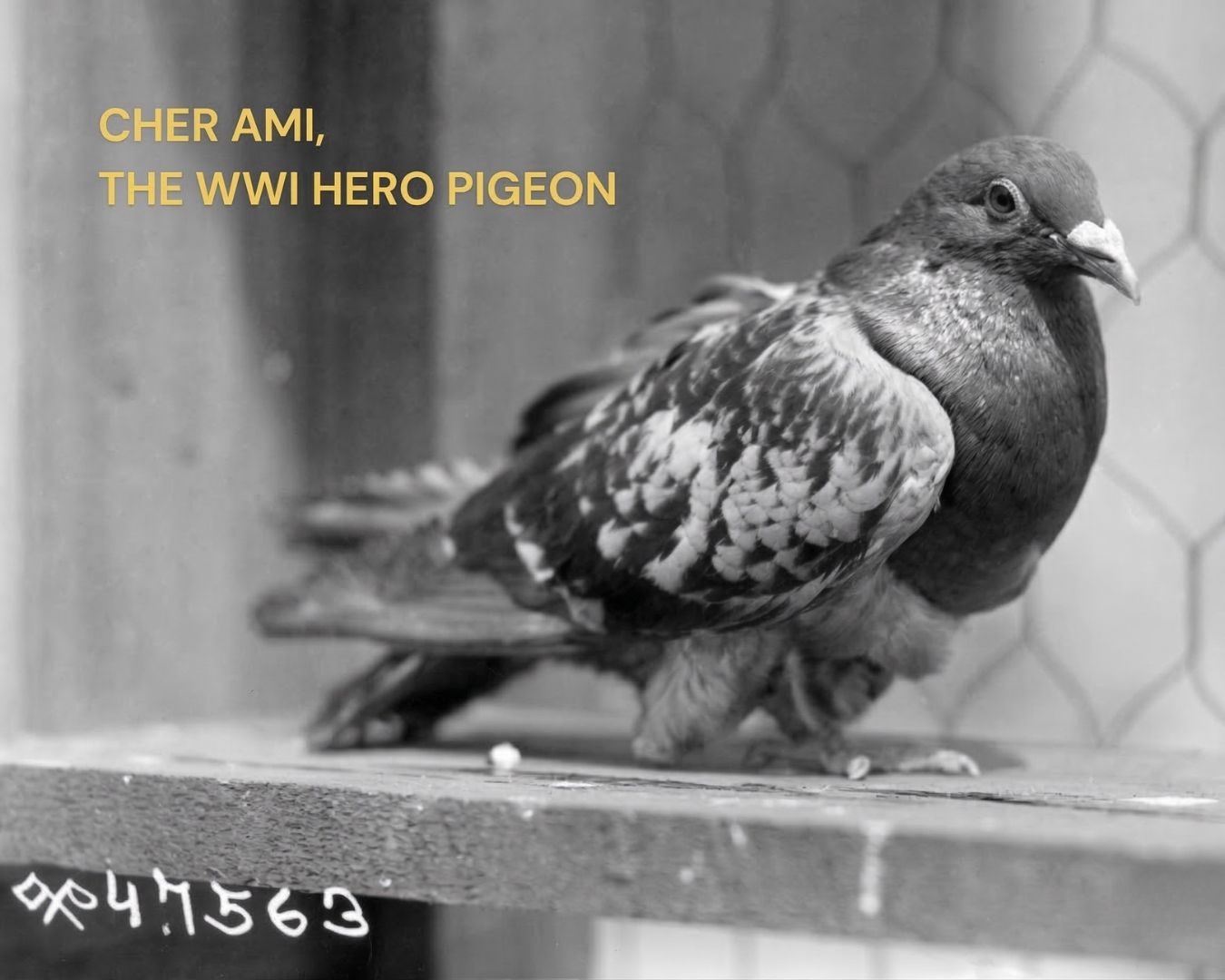
What is sometimes forgotten is that the racing pigeon is much more than a hobby. Throughout history, pigeons have played vital roles. During wars, they carried messages when all other forms of communication failed.
The Legend of Cher Ami During the First World War, the famous pigeon Cher Ami delivered a message that helped save nearly 200 American soldiers. This is the legacy of our birds: endurance, loyalty, and the incredible instinct to return home.
Concern for the Future
Long-term restrictions caused by blanket regulations can truly affect the future of our sport. When pigeons cannot be transported, when races are cancelled, and when exhibitions disappear, it doesn’t just affect a competition. It affects the very survival of the craft.
In Conclusion: If scientific studies show that racing pigeons hardly play a role in spreading the virus, then our sport deserves policies based on those facts. It is good that the NPO is in dialogue, but in the end, it is not about conversations; it is about results.
It is time for the FCI (Fédération Colombophile Internationale) to work even more actively to make this distinction clear to European policymakers.
A racing pigeon is not industrial poultry. A racing pigeon is a sport bird.
Until this distinction is officially recognized, our sport will continue to pay the price for a problem it did not create. The time for waiting is over. We need a united effort from federations and national organizations to have this position reconsidered.
Not tomorrow. Now.
Because for our sport, it is already five minutes to midnight. Let us make sure our sport can still find its way to the future, just as our pigeons always find their way home.
Gerard Schalkwijk
Schalkwijk Speaks