
Bird Flu in Belgium have triggered disease control measures and the cancellation of several pigeon races. What does this mean for racing pigeon enthusiasts, and how concerned should they be?
Belgian pigeon racing is facing another challenge as highly pathogenic avian influenza, commonly known as bird flu, has been confirmed at two bird holdings in Belgium.
The Royal Belgian Racing Pigeon Federation (KBDB) has published updates following official announcements from the Belgian Federal Agency for the Safety of the Food Chain (FAVV). The developments have already affected racing activities, with several October races cancelled.
For pigeon fanciers, the situation raises understandable questions. Are racing pigeons particularly vulnerable to H5N1? Can enthusiasts continue training their birds? And what precautions should responsible loft owners take?
The answers deserve careful attention, without unnecessary alarm.
Champions Demand the Best. So Do We.
Discover the essential supplies for winning lofts, personally tested, trusted and recommended by Pigeon Boss. Because excellence starts with the right products.
-
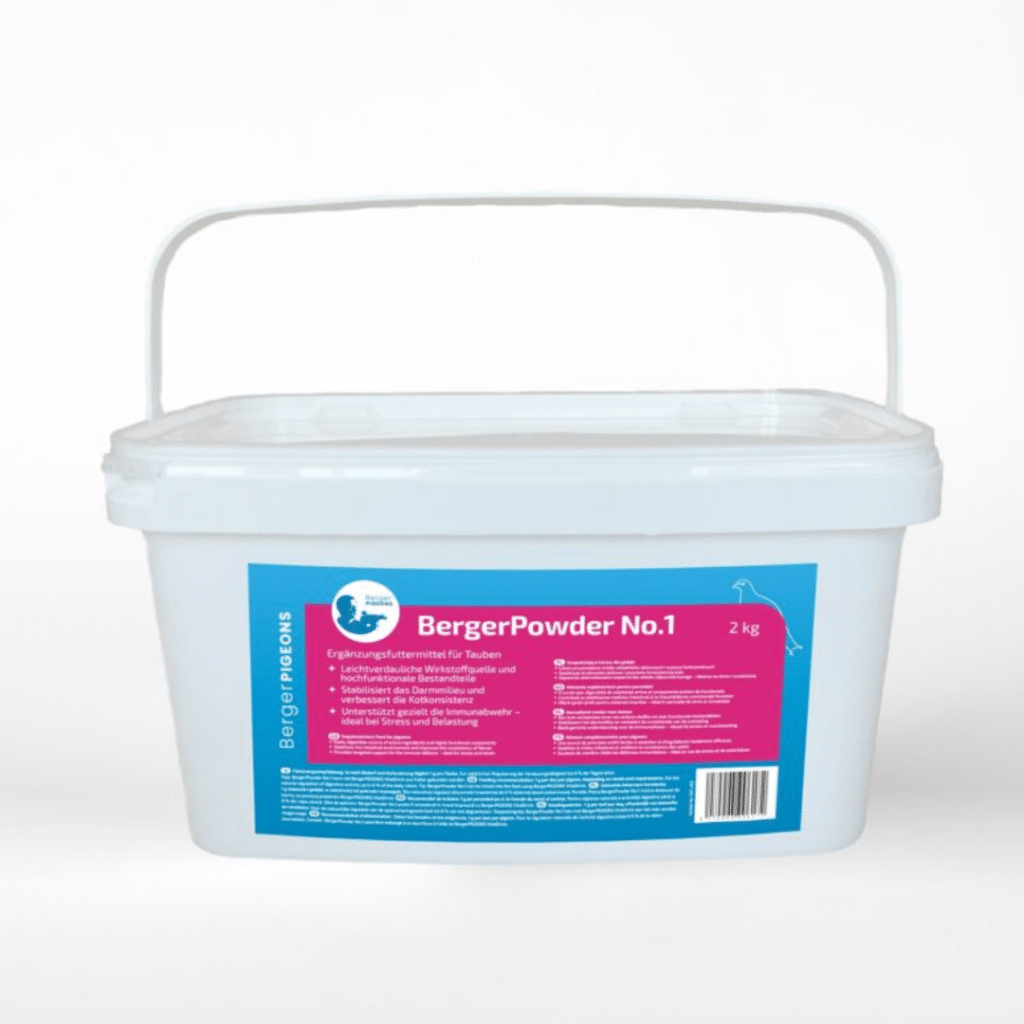
Berger Powder No.1
Active supplement with probiotics, prebiotics, colostrum, vitamins, chelates, and...€ 49,95Add to cart -
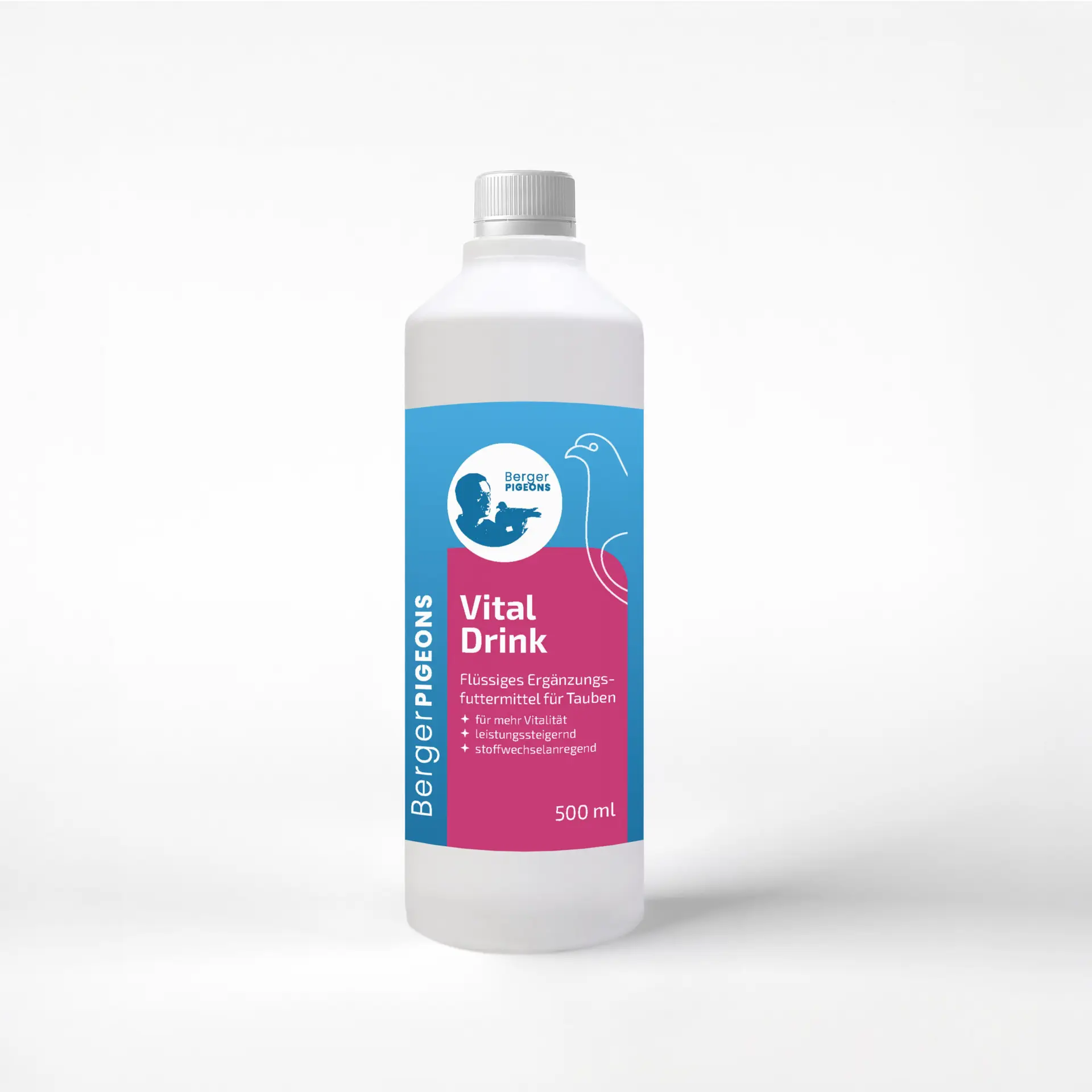
Vital Drink
Herbal liquid supplement with milk thistle, sea buckthorn, elderberry...€ 29,95Add to cart -
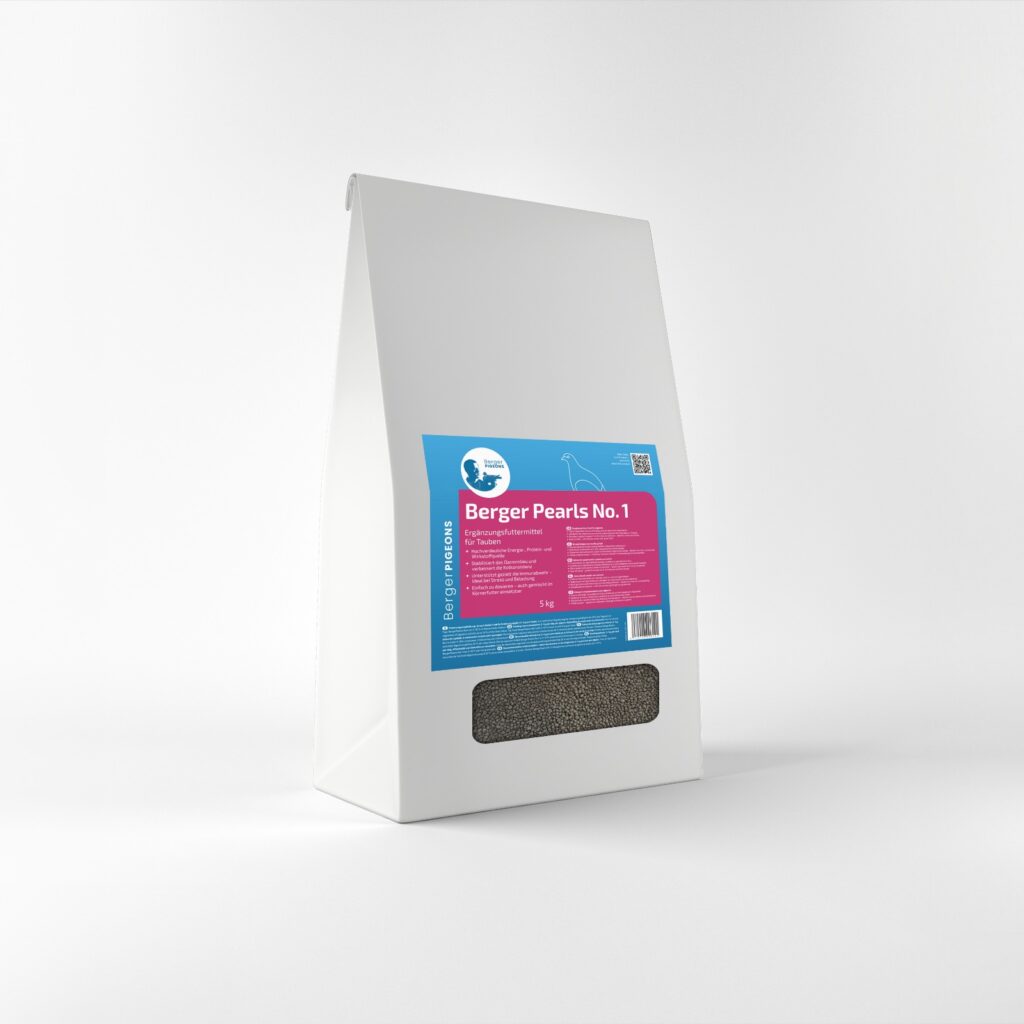
Berger Pearls No.1
Chopped peanut cores with probiotics, prebiotics, colostrum, vitamins and...€ 59,95Add to cart

Two Confirmed H5N1 Outbreaks in Belgium
On 30 September 2026, Belgian authorities confirmed an outbreak of highly pathogenic avian influenza H5N1 at a hobby bird holding in Tongeren-Borgloon, in the province of Limburg.
According to the official announcement, the affected holding mainly housed exotic birds.
Just days later, on 5 October, another infection was confirmed at a bird holding in Balen, in the province of Antwerp.
The authorities identified a connection between the two outbreaks.
Following both detections, disease control measures were introduced to limit the possibility of further spread.
These included:
- A protection zone extending 3 kilometres around each affected holding.
- A surveillance zone extending 10 kilometres around each affected holding.
- Restrictions on relevant bird and poultry activities within the designated zones.
The FAVV reported that the general national measures remained unchanged at the time of its 5 October announcement, although the situation continues to be evaluated.
For pigeon fanciers, the distinction between national measures and specific local restrictions is particularly important.
Pigeon Races Cancelled Following Bird Flu Outbreak
The consequences for the pigeon racing community are already visible.
On 5 October 2026, the KBDB provincial organisation in Antwerp reported that the Meerhout association had cancelled several planned October races because of the bird flu outbreak.
The affected programme included races from Momignies scheduled for 10 and 17 October, together with a midweek race from Chimay scheduled for 7 October.
These cancellations demonstrate that bird flu outbreaks can disrupt pigeon racing even when the initial infection is identified at a holding that is not described as a racing pigeon loft.
For enthusiasts who invest significant time in preparing their pigeons, cancellations are naturally disappointing.
Nevertheless, protecting animal health and respecting official disease control measures must remain the priority.
The continuation of other races cannot automatically be assumed or ruled out based on these specific cancellations. Fanciers should consult their own provincial federation, association and the latest official guidance.
Claim Your UltimatePigeon Boss Supply Plan
Want to dominate the races weekly with absolute top form? Enter your email to instantly receive the weekly feeding and supplement schedule by The Pigeon Boss to maximize recovery, boost metabolism, and keep the gut microbiome in champion condition.
THANKS!Your plan is on its way
Check your inbox! Your ultimate supply plan is on its way.
We’ve sent the complete weekly feeding and supplement schedule to your email address. Make sure to check your spam folder or promotions tab if it doesn't show up within a few minutes.
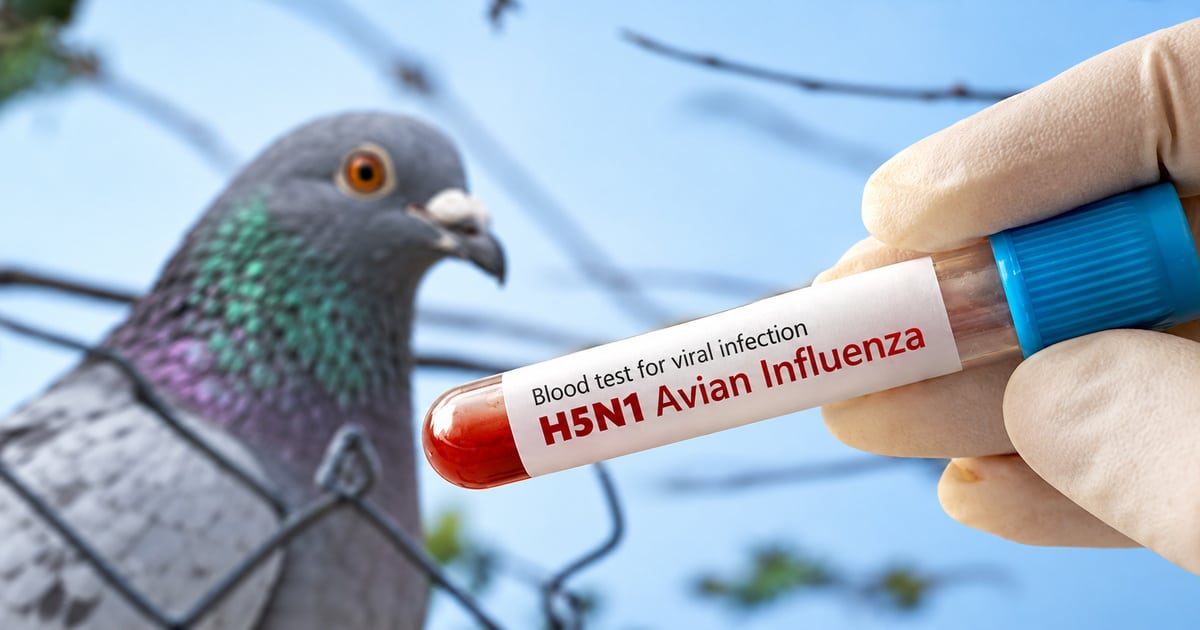
Can Racing Pigeons Become Infected With Bird Flu?
This is perhaps the most important question for pigeon enthusiasts.
Not all bird species respond to avian influenza in the same way.
Research reviewed by the World Organisation for Animal Health (WOAH) indicates that pigeons can become naturally infected with highly pathogenic avian influenza viruses.
However, the organisation’s Scientific Commission concluded in 2023 that natural infections occur at a low frequency and that pigeons appear to have limited effectiveness in spreading the virus, based on the studies it reviewed.
This is an important scientific distinction.
It suggests that racing pigeons should not automatically be treated as having the same susceptibility or transmission characteristics as highly affected poultry species.
But lower susceptibility does not mean complete immunity.
Pigeons can become infected, and scientific findings about their susceptibility do not exempt pigeon owners from applicable animal health regulations.
Responsible disease prevention remains essential.
What Should Pigeon Fanciers Do?
The current situation provides a timely reminder that maintaining a healthy racing pigeon loft involves much more than feeding, training and preparing birds for competition.
Practical precautions include:
Keep Wild Birds Away From Feed and Water
Where possible, prevent wild birds from accessing drinking water, feed containers and areas used by domestic pigeons.
Wild birds can play a role in the circulation of avian influenza viruses, making sensible separation and hygiene important preventive measures.
Maintain Good Loft Hygiene
Clean feeding and drinking equipment regularly and avoid bringing unnecessary contamination into the loft.
Footwear, equipment and containers used at other bird holdings should be handled carefully.
Good hygiene is a valuable investment in pigeon health throughout the year.
Be Alert to Unusual Health Problems
Pay attention to unexpected illness, unusual mortality or significant behavioural changes.
Such signs do not automatically mean avian influenza, but they should never be ignored.
Contact a veterinarian promptly if a serious infectious disease is suspected. Do not move potentially affected birds while seeking advice.
Check Restrictions Before Training or Racing
Fanciers living within or near designated restriction zones should verify which activities are permitted before releasing, transporting, selling or moving their birds.
The rules may differ according to location and the type of activity.
The KBDB website and the FAVV remain essential sources for the latest Belgian guidance.
Protecting Pigeon Racing Through Responsible Decisions
Pigeon racing has always required dedication, discipline and respect for the birds.
Disease outbreaks create additional challenges for competitors, organisers and transporters. They also demonstrate why cooperation between enthusiasts, veterinary professionals and racing authorities is so important.
An outbreak at a bird holding should not automatically lead to the conclusion that racing pigeons are major drivers of infection.
Equally, scientific evidence suggesting relatively limited susceptibility should never become an excuse to disregard official disease control measures.
Both principles matter.
Protecting the credibility of pigeon racing means recognising the evidence, respecting the regulations and acting responsibly when circumstances demand it.
The Future of Pigeon Racing Depends on Healthy Birds
The latest H5N1 outbreaks in Belgium are an important reminder that animal health developments can have consequences far beyond the affected premises.
With confirmed infections in Limburg and Antwerp and several October races cancelled, Belgian pigeon fanciers have every reason to follow developments carefully.
Yet there is also an important message of perspective.
The scientific evidence does not justify treating racing pigeons as identical to highly susceptible poultry species when discussing avian influenza risk.
Our sport deserves accurate information rather than speculation.
By remaining vigilant, maintaining good loft hygiene and following official guidance, pigeon enthusiasts can continue doing what they do best: caring for remarkable athletes and protecting the future of the sport we love.
Because a strong future for pigeon racing starts with healthy pigeons, informed fanciers and responsible decisions.
Jan de Wijs
The Pigeon Boss