More Tips From The Boss


Stop searching and start winning.


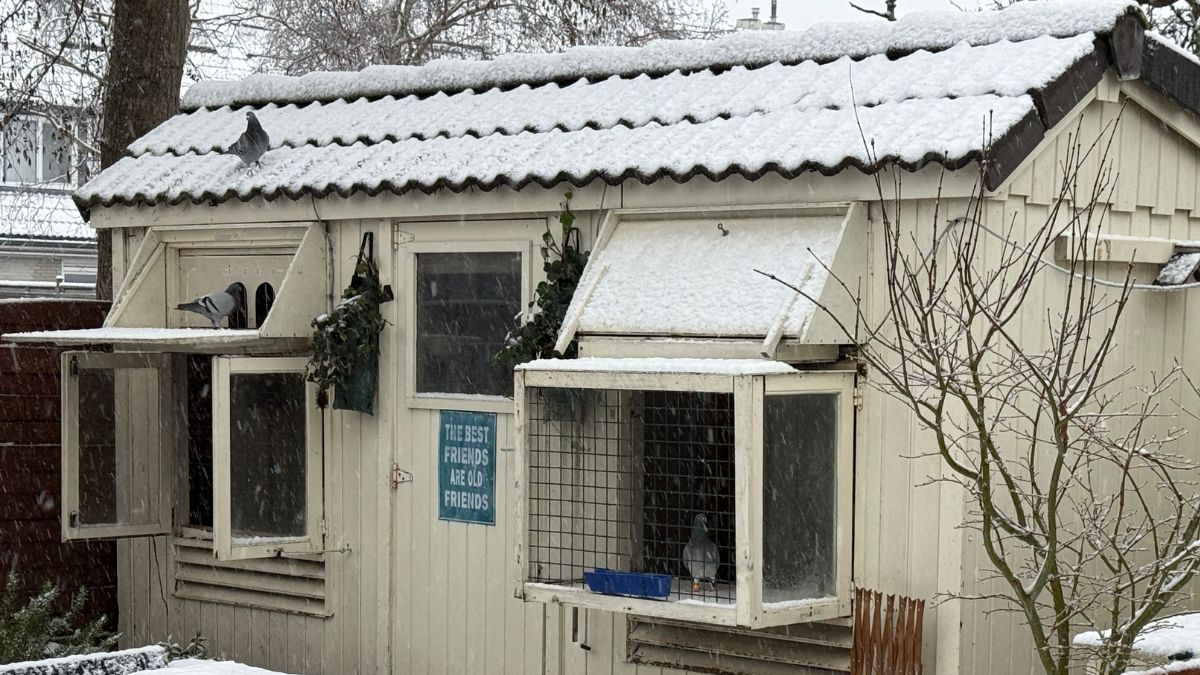
You know the feeling. The morning air bites, your breath turns to fog, and the loft feels like a freezer. While you’re debating a third cup of coffee or another jacket, your pigeons are already restless. It’s as if they’re asking, “Well, boss? Is it feeding time yet?”
At –5°C, the rules change. Winter demands more from our feathered athletes, even if they’re only circling the loft or resting. Smart feeding now will pay off in spring. Trust me, a pigeon that lacks energy in December will still show it in May.
Pigeons are warm-blooded animals with a body temperature of around 41°C. They must maintain that temperature no matter what. Once the thermometer dips below their comfort zone (around 20°C), they have to work to stay warm, and that takes extra energy. Scientific research shows that a pigeon at –10°C can require up to 30% more calories per day, even at rest.
Every 2°C drop in temperature increases their daily energy needs by around 3 kcal per bird. Pigeons in flight burn even more, although muscle activity does help generate some warmth. The takeaway? Cold equals more feed.
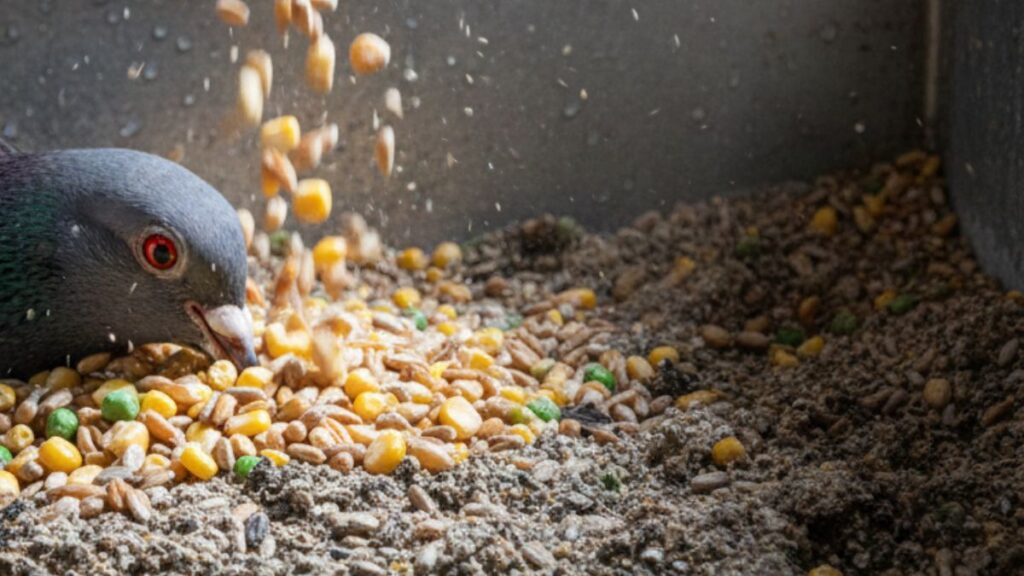
My feeding approach is based on both experience and science. In the true rest period, once the molt is completely finished, I’m a big advocate of 100% barley. Why? Because barley, low in fat and moderate in energy (approx. 3.3 kcal/gram), keeps pigeons lean but lively. You avoid fat buildup while keeping them sharp.
But once temperatures drop below zero, I shift gears. I add 25% breeding mix to the feed. Breeding mixtures contain higher-fat, higher-protein grains like corn, peas, and oilseeds, delivering around 3.6 kcal/gram. This gives the pigeons the fuel they need to face cold nights and frosty mornings.
And yes, I adjust portions too. At 0°C (or above), I give 30 grams per bird per day. At –2°C? That goes to 31 grams. –4°C? 32 grams. I increase the ration step by step, up to 35–36 grams per bird at, -10°C. Not randomly scooping, but feeding with intent. Always feel your birds: do they feel hollow? You’re late.
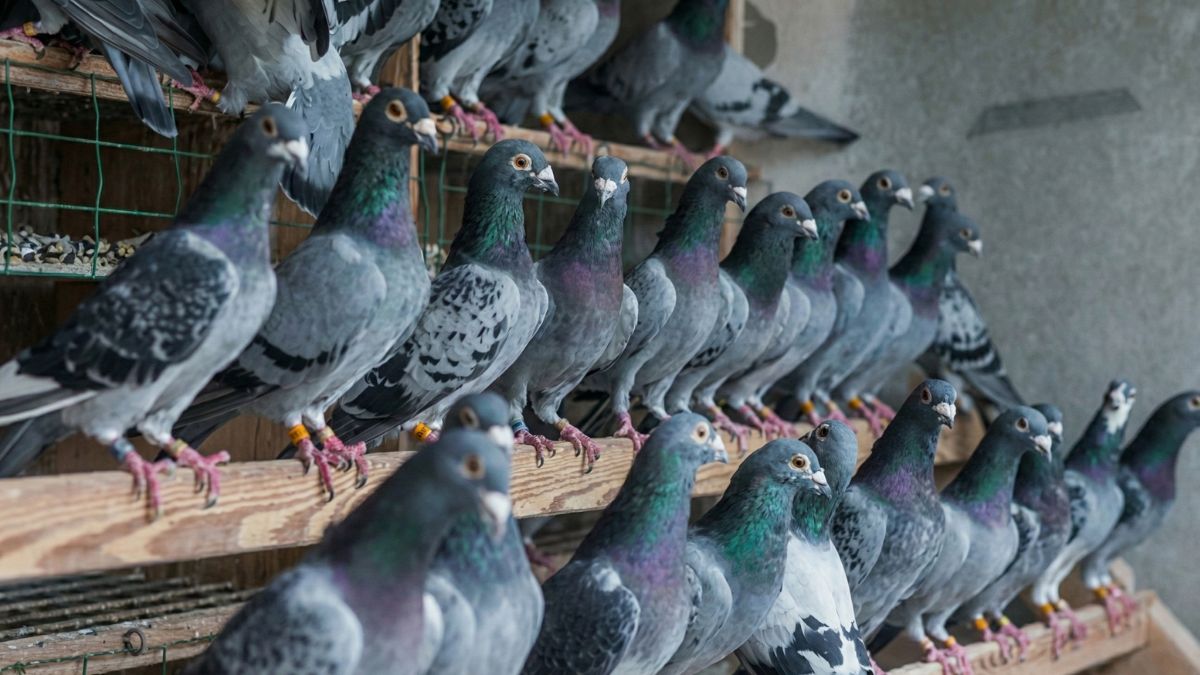
Pigeons at rest need less than flyers, but don’t underestimate their energy burn. They’re sitting in an unheated loft with no puffer jacket. Feed too little and they’ll waste away. Feed too much and they get fat. It’s all about balance.
Flying pigeons need more. The cold takes its toll, and flying burns calories. Barley alone won’t cut it. Mix in some corn, sunflower seed, a pinch of flax. No need for huge quantities, quality over volume. You’re feeding for resilience, not weight.
Science has shown that a pigeon’s basal energy use is about 50 kcal/day in mild conditions. At –10°C, this rises to around 65 kcal for resting pigeons. Flying pigeons can need 75–80 kcal/day, depending on their activity and loft type. Using a winter mix that provides 3.4 kcal/g, that means resting pigeons in the cold need at least 35–36 g/day, and flyers even 38–40 g/day.
Every 2°C colder? Add approx. 1 gram of feed per pigeon.
Feed smart: below freezing, mix in at least 25% energy-rich grains.
100% barley after the molt = ideal. But below zero? Always add 25% breeding mix.
Regularly feel your birds: too lean? Feed more. Too fat? Cut back.
Resting pigeons: 30–36 g/day depending on the temperature.
Flying pigeons: 35–40 g/day, depending on flight activity.
Watch your mix: barley is great, but it’s not enough in deep freeze.
Winter isn’t downtime, it’s prep time. Feed correctly now and you’ll see the results later. So grab your jacket, shake that feed bucket, and give your pigeons what they truly need. They’ll repay you, with results and in the hand.
Jan de Wijs
The Pigeon Boss

Blogger and Racing Pigeon Expert