







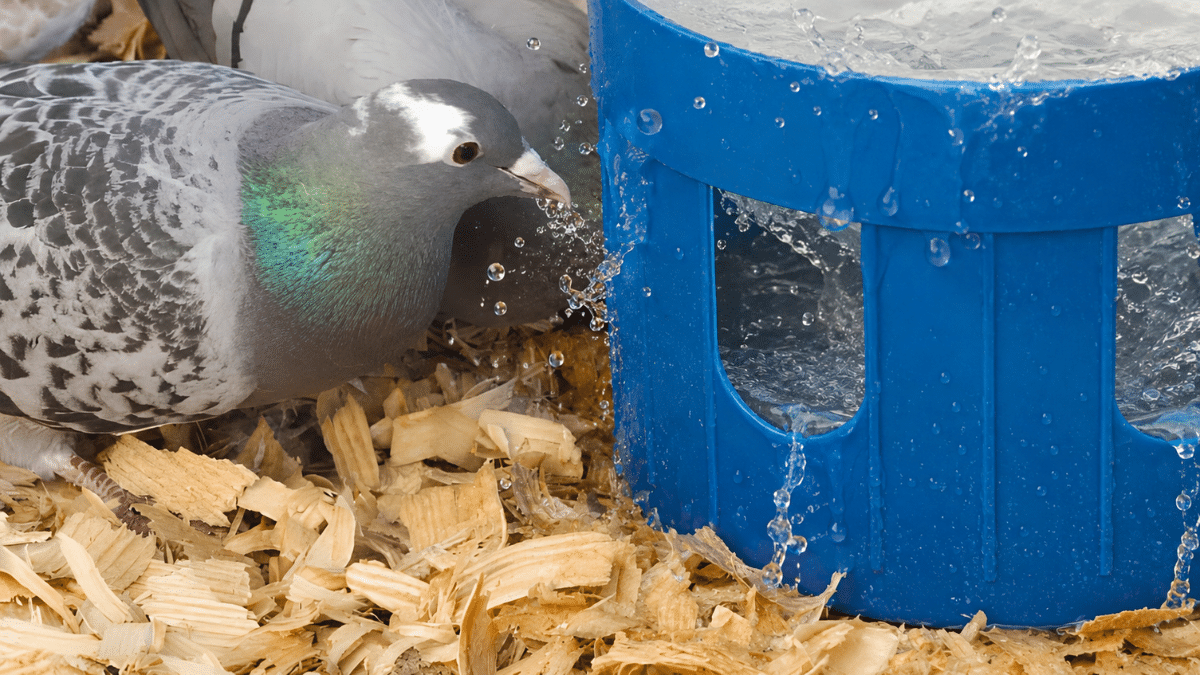
“If you expect a pigeon to perform like a champion, then manage it like a champion. I do not believe in creating avoidable problems and calling it ‘building resistance.’ My pigeons can fight the wind, the distance and the competition. At home, they get championship level care. Clean water, clean drinkers, no excuses. That is how The Pigeon Boss thinks.”
There are certain statements in pigeon racing that make me wonder whether we are still talking about elite sport, or simply looking for a good excuse not to do something. You are standing in the loft in the morning, the pigeons have finished training, they come inside and head straight for the drinker. One after another, they drink. Everything we do revolves around health, recovery and preparation for the next race. And then you hear someone say: “Those pigeons need to build up some resistance. They drink dirty water during transport too.”
Every time I hear that, I think of Mathieu van der Poel. Not because Mathieu has anything to do with racing pigeons, but because nobody doubts that he is an absolute top athlete. His body is pushed to the limit during a classic, so his team tries to control everything that can possibly be controlled. Nutrition, equipment, training, recovery and care all have to be right. Now imagine Mathieu leaving a half empty bottle in a warm team bus after Paris Roubaix. A few days later, somebody picks up that same bottle, fills it with water and says: “Here you go, Mathieu. Drink up. It is good for your resistance.”
Everyone would think that person had lost his mind. And rightly so. Yet in pigeon racing, we sometimes use exactly the same logic.
What You Cannot Control on the Road Must Be Right at Home
A racing pigeon is a phenomenal athlete. We ask for performances from that small body that becomes even more impressive when you really stop to think about them. Flying hundreds of kilometres, navigating home, dealing with headwinds and heat, spending hours in the basket and then switching almost instantly to maximum physical effort. During transport and racing there are also plenty of factors over which we, as fanciers, have absolutely no control. We do not know which pigeon our favourite will be sitting next to, we cannot decide which communal drinker it will use along the way and we cannot control every condition during transport.
That is exactly why I never understand the conclusion that things can be a little less precise at home. For me, the opposite is true. Because I cannot control everything on the road, I want to leave as little as possible to chance in my own loft. I cannot change the wind, I cannot control the temperature on race day and I cannot stand beside my pigeons throughout transport. But at home, I am responsible. I decide what they eat, how they recover, how much rest they get and what kind of drinker they use.
If my pigeons encounter something unpleasant on the road, that is part of the reality of our sport. But if they have to drink from a dirty drinker at home, I created that situation myself. Then there is no point blaming the convoyer, the liberation, the weather or the neighbour.
I need to look in the mirror.
For me, that is the difference between simply keeping pigeons and managing athletes at championship level.
Claim Your UltimatePigeon Boss Supply Plan
Want to dominate the races weekly with absolute top form? Enter your email to instantly receive the weekly feeding and supplement schedule by The Pigeon Boss to maximize recovery, boost metabolism, and keep the gut microbiome in champion condition.
THANKS!Your plan is on its way
Check your inbox! Your ultimate supply plan is on its way.
We’ve sent the complete weekly feeding and supplement schedule to your email address. Make sure to check your spam folder or promotions tab if it doesn't show up within a few minutes.
Strong Pigeons Are Not Built Through Poor Management
Do not misunderstand me. I want strong pigeons. I would much rather have a tough pigeon with character than one that collapses as soon as conditions become difficult. When the wind is on their nose, they have to keep pushing. When a race breaks apart, they need to use their intelligence. And when the final kilometres become hard, I want a pigeon that keeps working and keeps coming home. That is where real class shows itself.
But building resistance has nothing to do with deliberately creating poor conditions in your own loft. A strong pigeon is built through selection, health, training, good recovery, quality feeding and consistent management. Not by leaving a drinker standing for several days because somebody claims it is good for natural resistance. A dirty drinker is not a training stimulus and it certainly is not some forgotten secret from the great champions of the past. It is simply a risk that can easily be avoided.
Just watch what happens when the pigeons come in after training. Within a short time, almost the entire team has visited the same drinking point. One beak after another goes into that water. Inevitably, saliva, dust, small feed particles and other organic material can end up in and around the drinker. That is normal. A pigeon loft does not need to become a sterile operating theatre. But precisely because every pigeon uses the same drinking facility, it makes perfect sense to maintain it properly.
Contaminated shared drinking water can play a role in the transmission of Trichomonas, while moisture combined with organic material can also create conditions in which microbial build up develops. There is no need to turn that into a complicated scientific discussion. Every experienced fancier knows the moment when you run your finger along the inside of a drinker and feel a smooth or slimy layer.
You have not discovered a new method of building resistance.
The drinker needs cleaning.
There Are Already Enough Risks on the Road
“But they drink dirty water during transport too.”
Of course that can happen. But that is an argument for being more precise at home, not less.
Mathieu van der Poel can get a puncture during Paris Roubaix. That risk is part of the race. But no professional team would therefore decide to start him on a half worn tyre so that he can get used to adversity. The exact opposite happens. Because so much can go wrong during the race, everything that can be controlled beforehand is prepared as professionally as possible.
That is exactly how I look at our pigeons. They will face enough challenges on the road without us adding another unnecessary risk at home. My pigeon does not need to become stronger because of my neglect. My job is to make sure it starts the race strong enough to deal with whatever conditions it may encounter. Healthy, fit, properly fed, well hydrated and well cared for.
Of course, that does not automatically win you first National. If only pigeon racing were that simple. But when a risk can be removed with almost no effort, why would you choose to leave it there?
Great Victories Are Built on an Ordinary Wednesday
Everyone loves the spectacular moments in our sport. That pigeon suddenly appearing from the right direction. You see it for a fraction of a second and immediately feel that this could be an early one. It turns, drops, the clock registers and from that moment the calculations begin. The phone starts ringing, messages arrive and the first velocities appear. Maybe you are early in the club, maybe provincial, perhaps even national.
Those are the moments we live for in this magnificent sport.
But that performance was not created only on Saturday.
The foundation was built on an ordinary Tuesday morning, on a wet Wednesday and on that Thursday when you were in a hurry and had twenty other things to do. Those are the moments when your true standard becomes visible. The difference is rarely found only in expensive pigeons, impressive pedigrees, supplements or some secret system. The absolute top is also built through simple things that are done properly, day after day.
Observing when you would rather move on. Giving a pigeon rest when your experience tells you it needs it. Taking care of the loft when nobody is watching. And yes, simply making sure clean drinking water is available.
Nobody receives a trophy because their drinker was spotless on Wednesday. But championships are built on hundreds of details just like that. One detail may seem insignificant. A hundred details together become a system. And a strong system gives talent the opportunity to deliver when it really matters.
That is the winning mentality.
Champions Demand the Best. So Do We.
Discover the essential supplies for winning lofts, personally tested, trusted and recommended by Pigeon Boss. Because excellence starts with the right products.
-
Sale!

Pigeon Boss Champions Pack
Save €18 with the complete five product championship system....Add to cart€ 179,75Original price was: € 179,75.€ 161,75Current price is: € 161,75. -
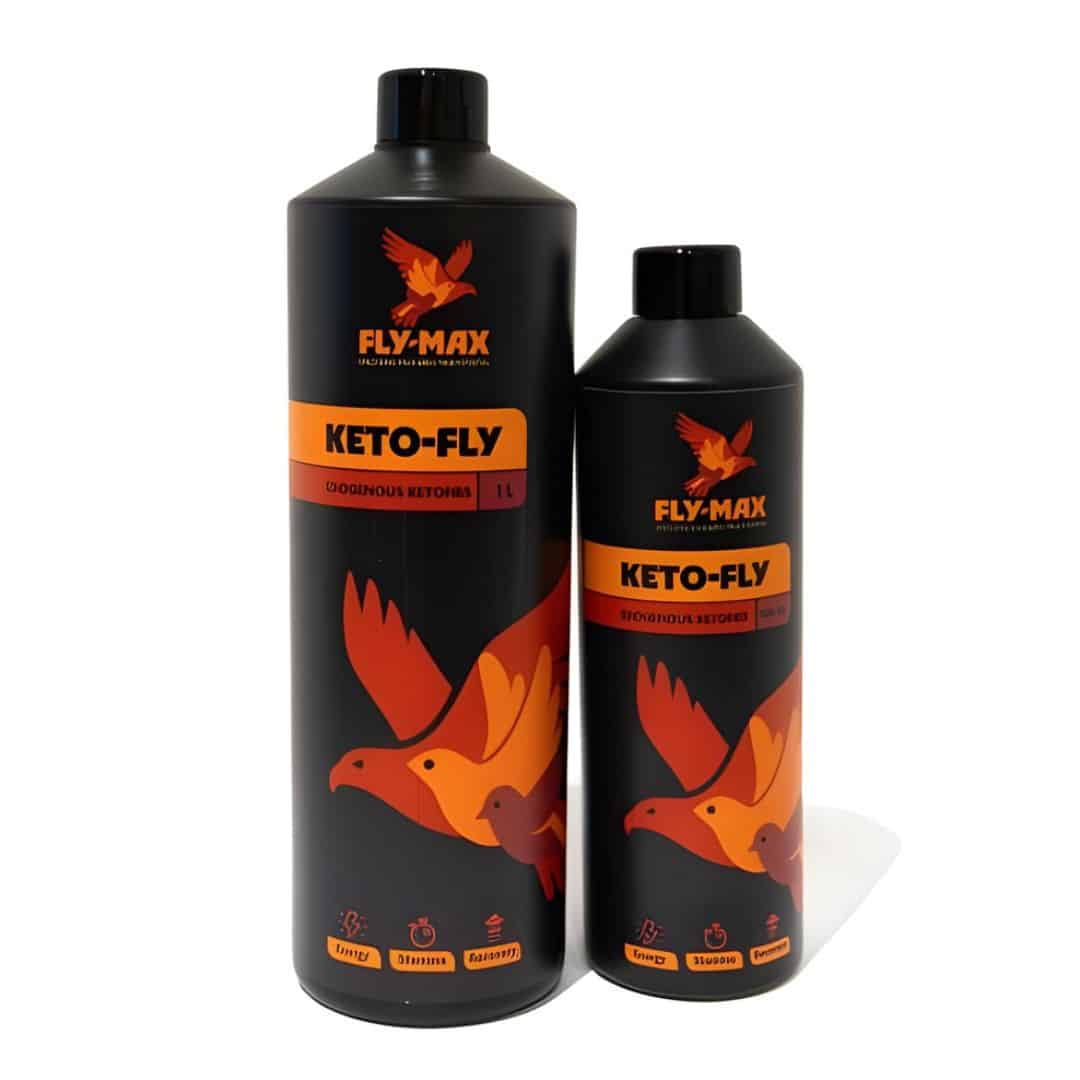
Fly Max | Keto Fly
Ketone based liquid supplement designed to support energy availability,...€ 40,00 – € 65,00Price range: € 40,00 through € 65,00Select options This product has multiple variants. The options may be chosen on the product page -
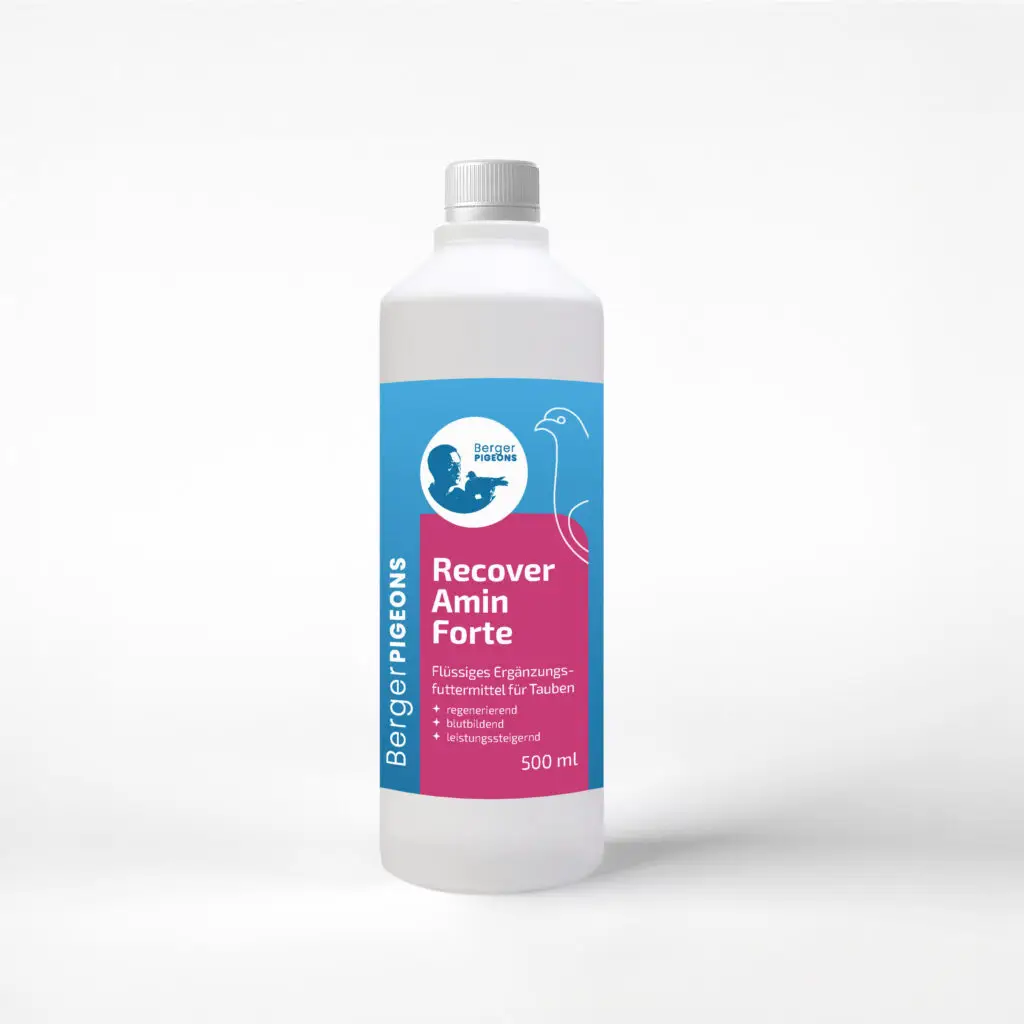
Recover Amin Forte
Concentrated amino acid formula with taurine, betaine, B vitamins...€ 29,95Add to cart
At Home, My Pigeons Should Not Have to Fight Me
My pigeons are allowed to fight on the road. In fact, that is exactly where I expect to see their character. Let them battle the headwind. Let them use their intelligence when a race splits apart. Let them keep going when the kilometres become demanding. That is where the competition takes place. That is where a champion has to prove its quality.
But once they are home, my responsibility changes. Home is where they need to recover. They need to eat, drink, rest and rebuild their strength. That is why I completely reject the idea that a pigeon should deliberately be given less clean water at home in order to make it tougher. A fancier should never become another opponent his own team has to defeat. Our job is to create the conditions in which talent can develop and condition can grow.
And the management does not have to be complicated. I like working with two drinkers. One is in the loft while the other is cleaned and allowed to dry completely. Then I switch them. If vitamins, electrolytes or other products have been added to the water, I pay even closer attention. Remove the residue, clean the drinker and refill it with fresh water.
No great secret. No revolutionary system.
Just logical management, carried out every single time.
Elite Performance Starts at Home
Picture Mathieu van der Poel one more time after a brutal classic. Six hours of racing behind him, legs empty, mud across his face, everything left on the road. Somebody walks over with a dirty bottle containing residue from several days earlier and says: “Drink up, Mathieu. It is good for your resistance.”
I suspect that the bottle would come back very quickly.
And rightly so.
So why would we treat our racing pigeons with less professionalism? A champion pigeon is an athlete too. A small athlete, certainly, but one from which we demand extraordinary performances. And when you expect extraordinary performances, you must be prepared to execute ordinary tasks with extraordinary consistency.
A clean drinker will not win you first National. But first National does not come from one magical product, one training toss or one secret trick either. Great performances emerge when as many parts of the complete system as possible are right. Selection, health, nutrition, training, rest, observation and care must all come together.
That is why elite performance does not begin when the pigeon drops from the sky on Saturday.
- It begins in the loft, during the moments when nobody is watching.
- Let the pigeons fight on the road. That is where they can prove how strong they really are.
- At home, the foundations must be right.
- Every single day.
- That is not overprotecting your pigeons.
- That is championship level management.
And that is exactly the mentality our magnificent racing pigeon sport deserves.
Jan de Wijs
The Pigeon Boss