More Boss Talk






Stop searching and start winning.


The pigeon sport stands or falls on trust. Trust in the pigeon, in the fancier and above all in the result. Electronic timing is not a side issue. It is the beating heart of the sport. And that is exactly where pressure is building.
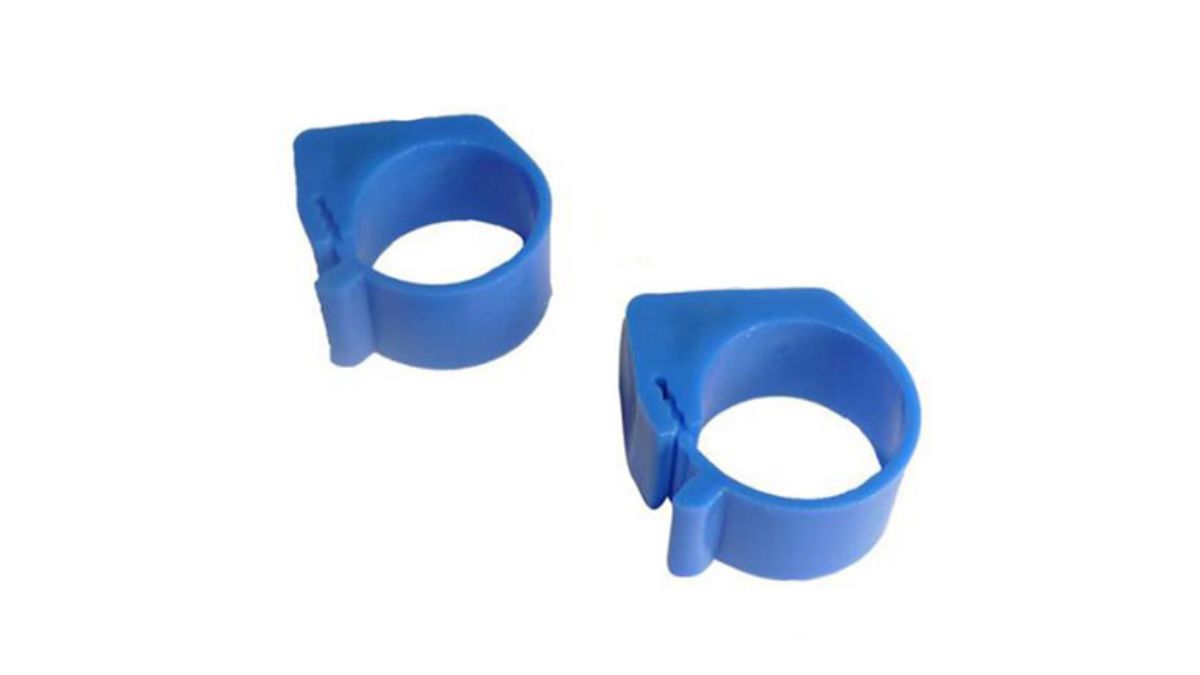
In recent years, cheap non certified chip rings have increasingly entered the market. They look attractive because of the low price and easy availability. But anyone who looks beyond the price tag sees a structural problem that directly affects the sport.
This is not about brand preference or personal taste. This is about technology, reliability and sporting fairness.
A chip ring must function under extreme conditions. Very high arrival speeds, extremely short reading times, multiple pigeons arriving simultaneously, metal constructions in the loft and electromagnetic interference from power and antennas. That requires industrial quality with strict tolerances.
Non certified chip rings often use electronic components of unknown origin. Chips without a defined lifespan, without temperature stability and without proper quality control. The result is predictable. Reading errors, unstable signals and premature failure. One missed reading can invalidate an entire result.
Electronic timing operates in fractions of seconds. Certified systems are designed to read accurately during fast and simultaneous passages. This is tested, validated and proven.
Cheap alternatives show inconsistent reading times, incomplete data and problems as soon as several pigeons arrive together. This is not incidental. It is a structural risk. And anyone who accepts that risk also accepts doubt about the result.
Every chip ring must have a unique code that is globally recognisable and traceable. This is crucial for sporting fairness and legal certainty. Without that guarantee, disputes are inevitable.
Non certified chip rings offer no such assurance. There is no central registration, no verification and no protection against duplicate codes. That undermines not only the system but also trust between fanciers.
A chip ring is not a disposable product. It must last for years on the leg of a racing pigeon, exposed to cold, heat, moisture, ammonia vapours and daily mechanical stress.
Cheap rings are often made from inferior materials with poor sealing. Cracks, loose chips and moisture ingress occur far more frequently. What seems cheap today becomes unusable tomorrow.
The use of non certified chip rings does not only affect the owner of the pigeon. It can influence the entire timing system and compromise the reliability of club results. This leads to protests, disputes and ultimately a loss of credibility.
Electronic timing is a critical pillar of the sport. Without reliable registration there is no fair competition. Without fair competition trust disappears. And without trust there is no future for the pigeon sport.
This is not fearmongering. It is a call for responsibility. Saving money on the foundation of the sport is not smart. It is a risk that the entire community ends up paying for.
Anyone who truly wants to move the pigeon sport forward chooses reliability over convenience.
Good pigeons deserve an honest system.
And an honest sport starts with certified equipment.
Jan de Wijs
The Pigeon Boss
Blogger and Racing Pigeon Expert