






Pigeon Racing FAQ: 100+ Common Questions | The Pigeon Boss
The 100 most searched questions about keeping, breeding, and racing homing pigeons. Get expert answers from The Pigeon Boss. Dominate the skies!
Still got questions? Hit the contact button!
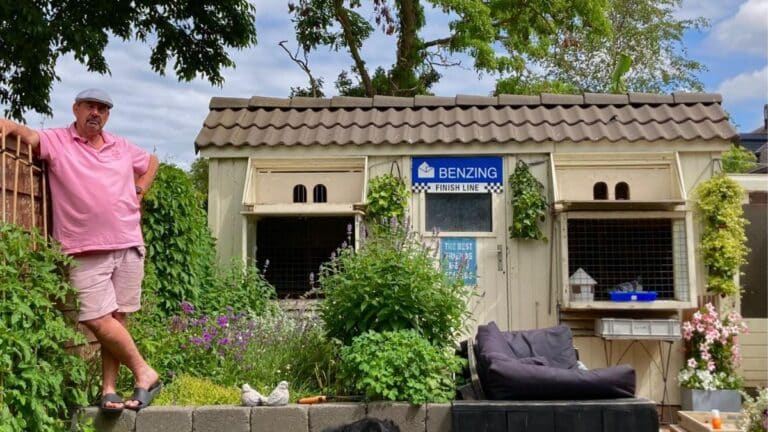
The essential supplies for top lofts, used and tested by The Pigeons Boss…
-
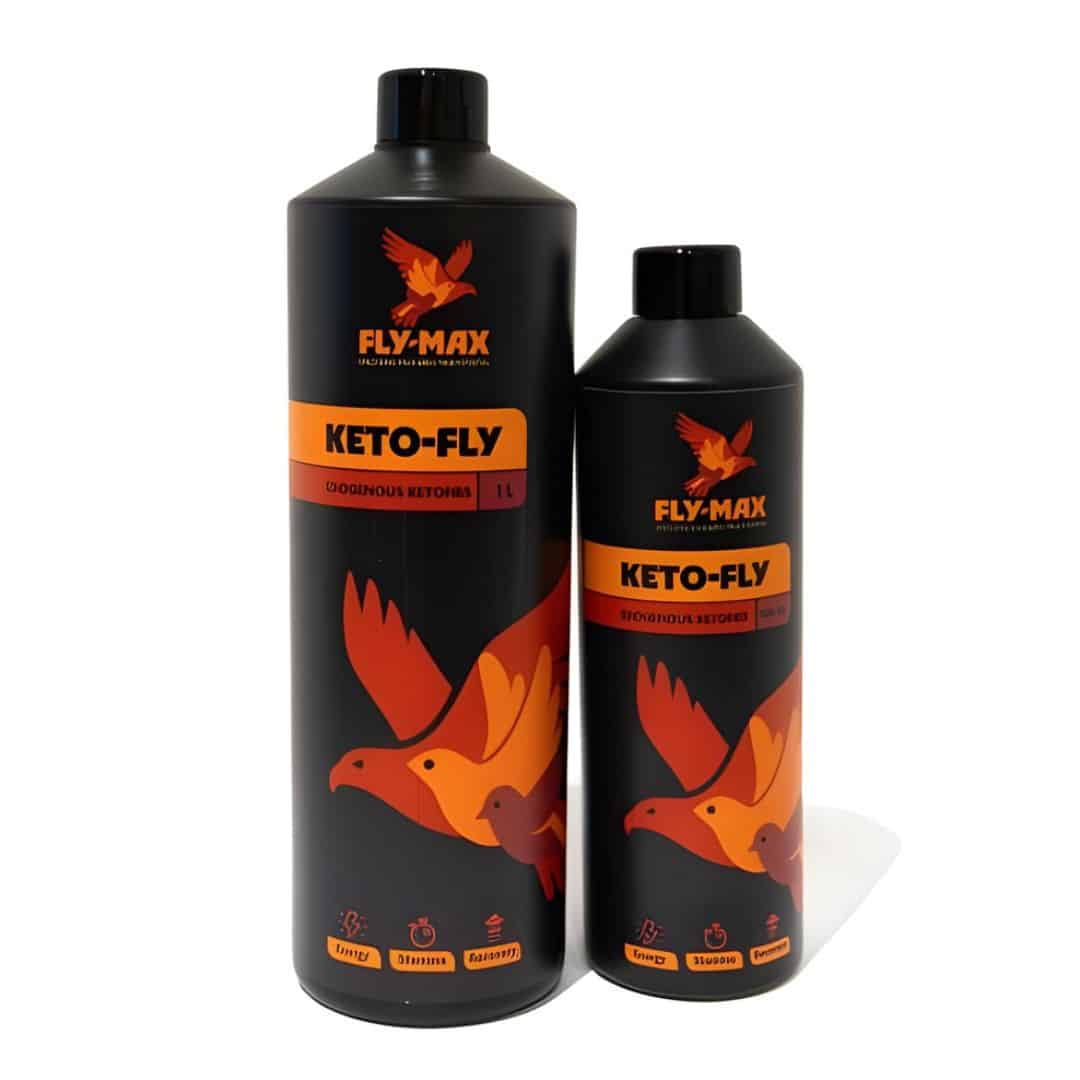
Fly Max | Keto Fly
Revolutionary ketone energy fuel for unbeatable endurance & rapid...€ 40,00 – € 65,00Price range: € 40,00 through € 65,00Select options This product has multiple variants. The options may be chosen on the product page -
SymBiotic
5-Strain high-potency gut health & immunity powerhouse. Delivers 2x10¹³...€ 29,95Add to cart
1. Breeding & Genetics (15 questions)
Are pedigrees important when mating?
A pedigree tells you what a pigeon should be, but performance and physical qualities tell you what the pigeon actually is, guys! Use the pedigree as a guide to trace winning bloodlines, but always select based on the hard reality in your hands and on the race sheets!
Can mating family members (inbreeding) do any harm?
Fanciers, inbreeding is a razor-sharp knife! It is the ultimate way to lock in those iron-clad genes, but watch out: it also magnifies the flaws. Only mate father x daughter or brother x sister if both are super healthy and of absolute top-class. Weaklings have no place here, cull them ruthlessly and immediately!
How do I feed young pigeons that have just been weaned?
When they have just left their parents, they must learn to eat and drink immediately. Give them a light, easily digestible, protein-rich mixture and show them the way to the drinker by briefly dipping their beak in it. They must become independent right away, no pampering!
How do I prevent eggs from freezing during winter breeding?
Use wooden or plastic nest bowls with a thick, warm nest felt and provide plenty of nesting material like tobacco stems or straw. Is it extremely cold? Use a heating pad under the bowl or floor heating. Frozen eggs are purely a management failure!
How long does a pigeon hatch its eggs?
Very simple: 17 to 18 days after the second egg is laid. No panic if it takes a day longer in cold weather, but don't go messing around with them. Let nature do its job and keep the peace in the breeding loft!
How many pairs should I keep in my breeding loft?
Quality over quantity, always! Short on space? Better to keep 5 absolute top-class pairs than 20 mediocre pairs that only cause overcrowding and disease. Every single pair must earn its right to be there.
How do I recognize a top-quality breeding pigeon?
Don't just look at a paper pedigree, fanciers! A real top breeder is recognized by silky-soft plumage, a perfectly closed vent, an eye overflowing with vitality and pigment, and a natural resistance that makes you say 'wow'. But the ultimate test? Their offspring. Good breeders breed good racers!
Should I darken breeding pigeons?
No, you don't darken breeding pigeons! They need light and warmth to get into the right hormone balance for breeding. Save the darkening system for your young racing team to delay their molt!
What is crossbreeding and why does it work?
Crossbreeding is mating two different, closely inbred lines. This gives an enormous boost in vitality and power, which we call heterosis. It is the fastest route to winners in the sport! Breed in line, cross for racers!
What is the best age for a breeding pigeon?
Pigeons from 2 to 7 years old often produce the most vital young, but a true 'super breeder' can fertilize until 12 or 15 years old if they receive top care and guidance. As long as the vitality is there and they keep producing quality offspring, that veteran gets to stay!
What is the secret of a good compensation mating?
Compensation mating is just pure logic! Does the cock have a slightly too long back? Pair him with a hen that is compact and perfectly built. Never mate two pigeons with the same flaw, because then you just multiply the misery!
What should I do if a hen does not lay eggs?
No eggs means something is wrong with the basics. Is she too fat? Is it paratyphus or a calcium deficiency? Give her rest, put her on a lean diet with plenty of exercise, give extra minerals, and consult the vet when in doubt. Don't just keep messing around!
When can young pigeons be weaned?
Youngsters can be weaned when they are between 23 and 25 days old. They should have plenty of feathers under their wings and be actively pecking at grains. Don't wait too long; they need to find their own way quickly in the young bird loft!
When should I mate my pigeons for early breeding?
Early breeding traditionally starts around late November or early December. But watch out: only do this if your lofts are dry, your pigeons are in peak health, and their molt is perfectly finished. If your heating and lighting aren't sorted, just wait until spring!
Why do pigeons sometimes lay only one egg?
Often this is a sign of exhaustion, a calcium deficiency, or an oncoming infection like paratyphus. In young hens, it could be inexperience; in old hens, it's often running on empty. Provide plenty of grit and minerals alongside vitamins in the loft, and give them the rest they need.
2. Health & Medical Care (20 questions)
Are antibiotics allowed during the racing season?
Only if it is absolutely medically necessary and on the advice of a specialized avian vet! Antibiotics break down natural condition and form. Those who blindly give antibiotics to fly better are digging their own athletic grave. Focus on natural resistance and vital health!
Coccidiosis in pigeons, how do I recognize it?
You recognize coccidiosis by watery, greenish droppings, puffed-up feathers, and pigeons that become sluggish and lose condition. It is an intestinal parasite that flourishes in damp lofts. Keep your lofts bone-dry, guys, and you won't give coccidiosis a single chance!
How do I treat paratyphus (salmonella) effectively?
Paratyphus is a silent killer in the loft. Do you have lame pigeons, hanging wings, or unfertilized eggs? Take action immediately! Treat with a targeted antibiotic course via the vet, cure before breeding if necessary, and support their recovery with gut-supporting probiotics.
How do I control lice and mites in the loft?
Parasites suck the energy right out of your athletes! Use an effective drop in the neck like ivermectin before the racing season and regularly burn out or treat your lofts with disinfecting smoke tablets to destroy parasites in the cracks.
How do I prevent ornithosis and respiratory problems?
Respiratory problems are almost always caused by a poor loft climate! Drafts and a lack of oxygen are the main culprits. Ensure perfect ventilation, prevent overcrowding, and keep the airways completely clear.
How do I recognize 'the yellow' (trichomoniasis) in my pigeons?
You can see trichomoniasis immediately when you open the beak: yellow, cheesy spots in the throat. Keep the drinking water clean and acidified with WaterControl to prevent pathogenic growth in the drinker!
How do I recognize a healthy pigeon at a glance?
A healthy pigeon shines! She has chalk-white wattles and eye-rings, a glossy, powder-rich plumage that sheds water instantly, and tight, dry dropping balls. Support her natural fitness with vitalizing supplements!
How do I recognize worms in pigeons?
Pigeons with worms lose weight rapidly despite eating a lot, have a dull plumage, and show bad droppings. Treat targeted infestations effectively with specialized Worm Tabs to restore full performance!
How do I restore intestinal flora after an antibiotic course?
Antibiotics wipe out all the good gut bacteria. Restore this immediately by giving SymBiotic probiotics and gut conditioners alongside specially acidified drinking water for 2 to 3 days after the course. Help the good bacteria back onto the throne!
How important is dropping 'yellow drops' before basketing?
Yellow drops are a popular method to suppress trichomoniasis. Combine this with active drinking water acidification to keep their heads and throats clean for the start!
How often should I vaccinate my pigeons?
No discussion about this: vaccinating against Paramyxovirus is mandatory and done annually. Support their immune response after vaccination with essential vitamins and minerals.
What is 'one-eye cold' and what do I do about it?
This is an eye inflammation where one eye becomes wet and the pigeon starts scratching it. Separate the pigeon in an oxygen-rich, draft-free environment and use airway care tablets to clean the upper respiratory tract.
What is paramyxovirus and how do I recognize the symptoms?
Paramyxovirus is a deadly virus that attacks the nervous system. You recognize it by watery droppings with lots of urine, terrifying twisting of the neck, and paralysis. There is no cure, only preventive vaccination protects your colony!
What is the danger of molds in the loft?
Molds in the loft like Aspergillus severely attack the respiratory tract of the pigeon and ruin any form of racing condition. Molds grow in damp, poorly ventilated lofts with accumulated manure. Keep it dry and clean thoroughly!
What is the value of a fecal exam by the vet?
Measuring is knowing, guys! Blindly treating with medications destroys the natural resistance and form of your pigeons. Take a collective fecal sample to an avian vet every few weeks or before crucial periods like breeding and racing. Only medicate when necessary!
What should I do in case of young bird disease (adeno-coli)?
If your young birds stop eating, start vomiting, and get greenish-watery diarrhea, you have Adeno in the loft. Stop heavy feeding immediately! Give them easily digestible feed, rapid electrolytes and amino acids, and support the gut with SymBiotic probiotics.
What should I do against pox in pigeons?
Pox is recognized by wart-like growths on the unfeathered parts of the head or in the oral cavity. The virus is spread by mosquitoes and mutual contact. Vaccinate your pigeons on time in spring! Already got it? Dab the pox with iodine and keep them strictly separated.
Why do my pigeons have blue breast muscles?
Blue breast muscles indicate a lack of oxygen in the muscles, poor circulation, or overload. Healthy, fit pigeons in form should have a pink, flake-free breast. Give them rest, plenty of oxygen in the loft, and amino recovery support!
Why do my pigeons have watery droppings?
Watery droppings can have many causes: stress, Adeno, worms, coccidiosis, or simply drinking too much water in hot weather. Stabilize their gut flora quickly with SymBiotic and regulate drinking water with WaterControl.
Why are my pigeons rattling or wheezing?
This is the classic respiratory or ornithosis complex. It indicates irritated mucous membranes and stuck mucus. Solve the loft ventilation first and clear the respiratory tract using smoke clearing tablets.
3. Nutrition & Supplements (15 questions)
Are fats important for long-distance (fond) races?
Grains contain carbohydrates, but fats deliver more than twice as much usable energy per gram! For flights above 400 kilometers (250 miles), pigeons need fatty fuel and booster supplements like CarniBoost to fly non-stop for hours without breaking down muscle tissue.
Can pigeons eat peanuts and why?
Peanuts are absolute energy bombs! They are packed with fats and proteins, ideal for loading pigeons up for heavy marathon races. Combine energy feeding with Fly Max Keto Fly for ultimate endurance stamina!
Can pigeons be given liquid sheep fat?
Nutritional powerhouse! Sheep fat is a fantastic source of fatty acids that provides extra energy reserves and a super soft, glossy plumage. Dry it off with mineral powder like Berger Pearls No.1.
How do I build up my pigeons' energy towards a tough race?
Start early in the week light and easily digestible. As basketing approaches in the last 3 to 4 days, switch to an energy-rich racing mixture and boost their reserves with CarniBoost and Keto Fly energy boosters.
How important is protein-rich feed after a race?
After a race, muscle micro-tears must recover rapidly. Concentrated amino acids from RecoverAmin Forte provide the direct building blocks that make swift muscle repair possible!
How important are grit and red stone for pigeons?
Vital! Grit is the pigeon's teeth; they need it in the gizzard to grind up hard grains. Minerals like Berger Pearls No.1 deliver crucial trace elements. Ensure fresh minerals are available every day!
How much feed should a racing pigeon get per day?
On average, a pigeon eats about 30 grams of feed per day, but this depends on distance and weather. Feed with your eyes, guys! Make sure you balance their feed with proper supplementation guidelines.
Is garlic in the drinking water really that good?
Yes, garlic is a great natural product that purifies the blood and supports the gut. For targeted drinking water conditioning, you can also use WaterControl to keep water free of harmful microbes.
What does apple cider vinegar do for a pigeon's resistance?
Apple cider vinegar acidifies drinking water to an optimal pH value. For a specialized formula engineered for lofts, WaterControl ensures harmful bacteria like E. Coli and trichomonads cannot multiply.
What is the best nutrition during the molting period?
During the molt, pigeons build complete new plumage. This requires protein-rich mixtures enriched with essential minerals like Berger Pearls No.1 and VitalDrink to ensure silky soft feathers.
What is the value of brewer's yeast over the feed?
Brewer's yeast is packed with B-vitamins and amino acids. Combine it with RecoverAmin Forte for ultimate post-flight recovery and muscle nourishment.
What is the value of vitamins during the season?
Vitamins support metabolism and immunity during heavy exertion. Giving VitalDrink midweek keeps metabolic systems functioning at maximum capacity without overloading the liver.
When do I give electrolytes to my pigeons?
Give electrolytes and amino acids like RecoverAmin Forte immediately upon arrival from a tough race to restore fluid balance and replenish lost salts instantly.
Which grains give pigeons the most energy?
Corn, safflower, sunflower seeds, and hemp are frontrunners for usable flight energy. Top up grain energy with CarniBoost for peak cellular power!
Why do pigeons sometimes drink too much water?
Abnormal drinking indicates gut irritation or stress. Rebalance their gut flora with SymBiotic probiotics and sanitize drinking water with WaterControl.
4. Training, Systems & Racing (20 questions)
How do I prepare pigeons for a heat race?
In extreme heat, pigeons must go into the basket with optimal fluid balance. Give them plenty of minerals with Berger Pearls No.1 and RecoverAmin Forte beforehand and basket them cool.
How do I handle pigeons flying the wrong way during training?
If pigeons fly the wrong way during training around the loft, it is often an orientation error due to weather conditions. Bring them in, don't force anything, and wait for a better moment.
How long should young pigeons be darkened?
Maintain a period of 12 to 14 hours of complete darkness per day. Make sure ventilation is maintained! Fresh air must always circulate, even when dark.
How do I train my young pigeons for the first time?
Step by step, guys! Start by putting them in the basket in the loft. Then take them away at short distances: 1 km, 2 km, 5 km, 10 km. Always release in clear weather to build confidence!
How do I motivate young pigeons on the sliding door?
The sliding door game is fantastic! Keep young cocks and hens strictly separated during the week. On basketing day, let them spend hours together for maximum motivation on return!
How do I motivate widowers for a race?
Motivation is key! Show their hen briefly or show the nest bowl. Support their energy with Keto Fly energy boosters so they don't burn out prematurely!
How do I stimulate the training drive of my pigeons?
Training drive measures health! An oxygen-rich loft combined with regular VitalDrink supplementation ensures they seek the horizon for an hour on their own.
How often should I toss (train) my pigeons myself?
Before the season, toss them 4 to 6 times. During the season, give young birds a mid-week toss of 10 to 15 km to keep sharpness high.
How often should racing pigeons train around the loft?
For top performance, they should train twice daily for a full hour. If they train reluctantly, check loft climate and support airways with Koudijs Smoke Tablets.
How do I ensure a fast trap (entry) after the race?
Trapping must be an automatic habit! Teach them early that the whistle means food. Never overfeed before training so they enter immediately upon landing.
How much rest does a pigeon need after a tough middle-distance race?
Allow 2 to 3 days of recovery feed supplemented with RecoverAmin Forte before loading them for the next flight.
Can young birds be raced on their first eggs?
Yes, that gives a huge motivation boost! Young hens sitting on eggs of 10-12 days deliver fantastic performances when properly supported.
When should I start darkening young pigeons?
Start when weaning the first round (early March) until June 21st. Darken from 6:00 PM to 8:00 AM to delay flight feather molt for the racing season.
What is lighting (extending daylight) and why do we do it?
Lighting extends daylight up to 16-18 hours from mid-July onwards. This holds back feather molt so pigeons race with a full wing until September.
What is the natural system (nest play) and how does it work?
Nest play races pigeons on natural nest positions. The top position for a hen is flying on eggs of 10 to 12 days old or a young squeaker of 4 to 6 days.
What is the game on the dry nest bowl?
This trick removes eggs immediately and leaves a bare bowl. The urge to defend the nest spot provides a speed boost on short races.
What is total widowhood and how do I play it?
In total widowhood, both cocks and hens race. They meet briefly before basketing and unite upon return, maximizing racing potential for both sexes.
What is the advantage of playing racing hens on the perch?
Small perches prevent hens from mating with each other, keeping them focused entirely on their cock waiting at home.
What is the widowhood racing system?
The partner remains home waiting. The racing cock is motivated by longing for his hen and nest box, delivering incredible speed and focus.
What to do if a pigeon returns too late from a race?
Give lukewarm water with RecoverAmin Forte and light digestible feed. Isolate in a warm, quiet environment until fully recovered!
5. The Pigeon Loft & Loft Management (15 questions)
How important is a dry pigeon loft?
A dry loft is 90% of your success! Moisture is the pigeon's enemy. Keep lofts dry and disinfect air periodically using Koudijs Smoke Tablets.
How do I fight moisture in the loft during rainy days?
Use mild heating plates to keep the loft 2 degrees warmer than outside during heavy rain, dropping relative humidity instantly.
How do I create the perfect ventilation in my loft?
Thermal ventilation lets warm used air exit through ceiling vents above the corridor while fresh air enters calmly through the front bottom.
How do I deal with mice and rats in the loft?
Pests carry diseases like paratyphus. Keep feed in hermetically sealed containers and set safe traps outside pigeon reach.
How do I disinfect my loft after a disease outbreak?
Scrape manure mechanically, burn nest boxes with a torch safely, and perform thorough loft sanitation using disinfecting smoke tablets.
How often should I clean the pigeon loft?
Daily cleaning is the golden standard! Scrape manure daily from perches and floors to prevent dust and bacterial spore accumulation.
How do I prevent drafts in the pigeon loft?
Drafts destroy form! Ensure air inlets enter at the front bottom and exit above the birds. Test flow using smoke generators.
How many pigeons can I keep per cubic meter of loft space?
Keep a maximum of 2 to 3 racing pigeons per cubic meter of air volume. Overcrowding leads to oxygen shortage and infection spread.
Is a wooden loft better than a brick/stone loft?
Wood naturally regulates moisture and insulates better than brick. Brick lofts require good insulation to prevent spring clamminess.
Should a pigeon loft face southeast?
Southeast is ideal to capture early morning sun, drying morning dampness quickly. Compensate other orientations with glass panels or gentle heating.
Why is oxygen more important than warmth in the loft?
Oxygen builds muscles and condition! A cold, dry, oxygen-rich loft is far superior to a warm, stuffy loft filled with ammonia fumes.
Why should nest boxes be dark during rest periods?
Dark corners give pigeons a sense of security and territory, preventing unnecessary midweek fights or premature mating.
What is the best floor cover for the pigeon loft?
Dry beech chips, straw, or lava granules absorb moisture effectively. Replace floor covers immediately if they become damp.
What is the ideal temperature in a pigeon loft?
Ideal temperature is 15-22°C with ~60% humidity. Avoid sharp temperature drops and dampness during cool nights.
What is the purpose of a sputnik and how big should it be?
The sputnik is the runway and entry point. It must accommodate multiple pigeons landing simultaneously and guide them smoothly inside.
6. Orientation, Navigation & Release Policy (15 questions)
How does wind direction affect orientation?
A strong sidewind drifts pigeons sideways, forcing constant course correction. In addition, wind affects the distribution of odor molecules in the air, which pigeons rely on for their olfactory navigation map.
How does the sun's position affect the pigeon's compass?
Pigeons use the sun as an active compass, correcting its position with their biological clock. Thick clouds obscure this vital navigation source.
How do I restore orientation ability after a tough race?
Orientation uses intense mental energy! Start recovery with physical restoration: immediately provide water with RecoverAmin Forte and VitalDrink to restore brain fluid balance.
How do racing pigeons orient themselves during flight?
Pigeons navigate using integrated systems: earth's magnetic field compass, sun position, UV light patterns, olfactory maps, infrasound, and visual landmarks.
How do pigeons react to high-voltage power lines and cell towers?
High-voltage cables present collision risks. Strong electromagnetic fields can briefly disrupt magnetic compasses, causing temporary course searching.
Why is a magnetic storm disastrous for a race?
Solar flares disrupt the earth's magnetic field, scrambling the internal magnetic compass of racing pigeons and causing unexplained smash races.
Why is releasing more than just pressing a button?
The atmosphere is dynamic! Responsible releasing requires deep understanding of pigeon biology and meteorology to ensure safety.
Why don't we release pigeons too early in the morning?
Releasing too early means low sun angles, absent thermals, and potential ground fog. Wait until the atmosphere stabilizes.
Why shouldn't pigeons be released in dense fog?
Fog blocks landmarks and distorts UV light angles required for orientation, leading to immediate disorientation and heavy losses.
What does UV light do to a pigeon's navigation?
Pigeons perceive polarized UV light through cloud cover to pinpoint sun position. Heavy uniform cloud cover without UV contrast severely impairs navigation.
What is the impact of transport stress on orientation?
Overheating and dehydration disrupt brain fluid balance. Stressed pigeons cannot analyze internal maps, leading to disorientation.
What is the role of thermals in flying long distances?
Thermals are rising warm air currents. Pigeons gain altitude effortlessly on long marathon flights, conserving muscle energy.
What is an inversion and why is it dangerous for pigeons?
An inversion layer traps warm air above cold air, refracting acoustic signals and scents, confusing orientation during release.
What is the importance of the 'start condition' when releasing?
Pigeons determine course in the first 5-10 minutes. Optimal release conditions allow the flock to head home directly without wandering.
What should be done if a release is delayed?
Keep birds calm in ventilated, cool transport trucks with timely water. Fanciers should remain patient and trust official release decisions.