





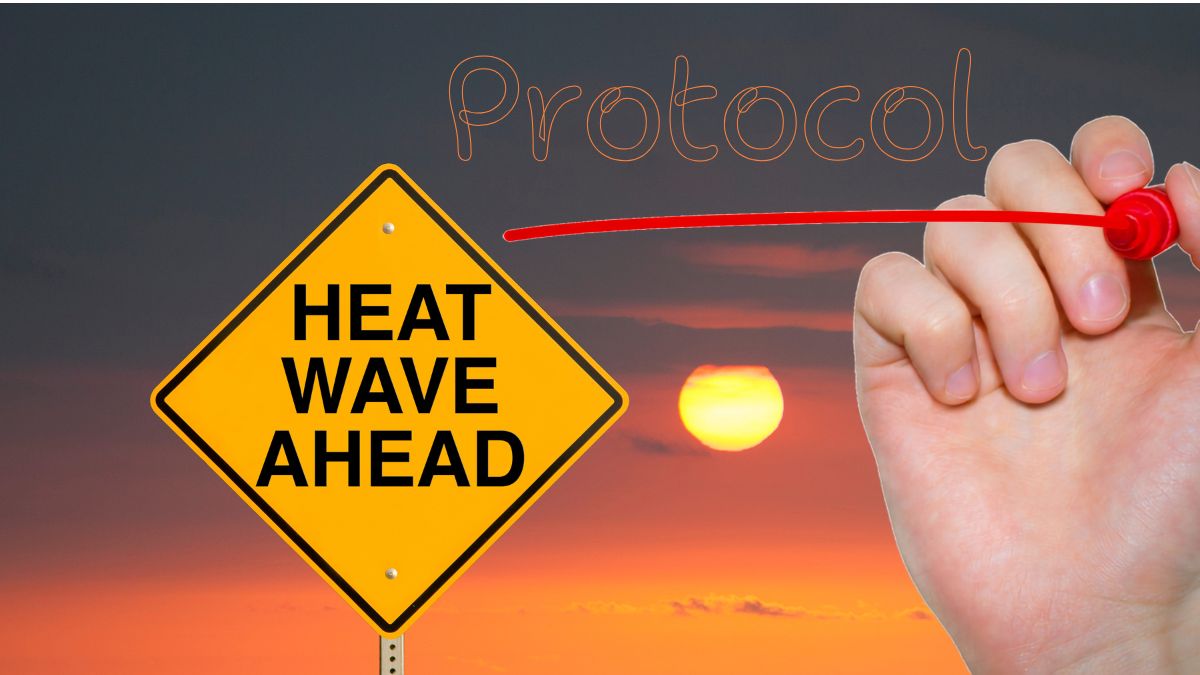
When summer temperatures skyrocket, pigeon racing turns into a high-stakes challenge. For most people, a heatwave means outdoor BBQs and ice-cold drinks. For pigeon fanciers, it means keeping a constant eye on the weather radar and air sac health.
During scorching summer weeks, official bodies like the Belgian KBDB, the Dutch NPO, and national federations across Europe enforce strict Heat Protocols. These measures aren’t meant to spoil the weekend competition. They exist because high temperatures alter avian physiology, and without proper management, dehydration and heat stress can ruin a loft’s entire season.
Why Flying in Heat Is an Internal Furnace
A racing pigeon doesn’t sweat. Unlike mammals, birds regulate internal body heat almost entirely through their respiratory tract and air sacs.
When a bird flies at speed, its metabolic rate runs 8 to 10 times higher than at rest. Evaporative cooling through panting keeps its internal organs from overheating. If a bird flies in 30°C+ (86°F+) conditions without access to water, it can lose up to 16% of its body weight in 24 hours.
Once dehydration hits 5% to 10%, blood circulation slows, muscle fatigue sets in, and navigation abilities drop off a cliff. That is why federations step in with mandatory protocols—to get birds back to their landing boards alive and healthy.
Get the sharpest pigeon racing insights in your inbox every Friday
Stay updated with the latest news, race results, product trends, and exclusive expert tips.
Welcome to the inner circle!
You have successfully joined our subscriber list. Check your inbox this Friday.
What the Official Heat Protocol Actually Regulates
Federation heat protocols kick in as soon as forecast temperatures cross 25°C (77°F). As the heat index climbs, rules scale up rapidly across three main areas:
1. Crate Space and Airflow
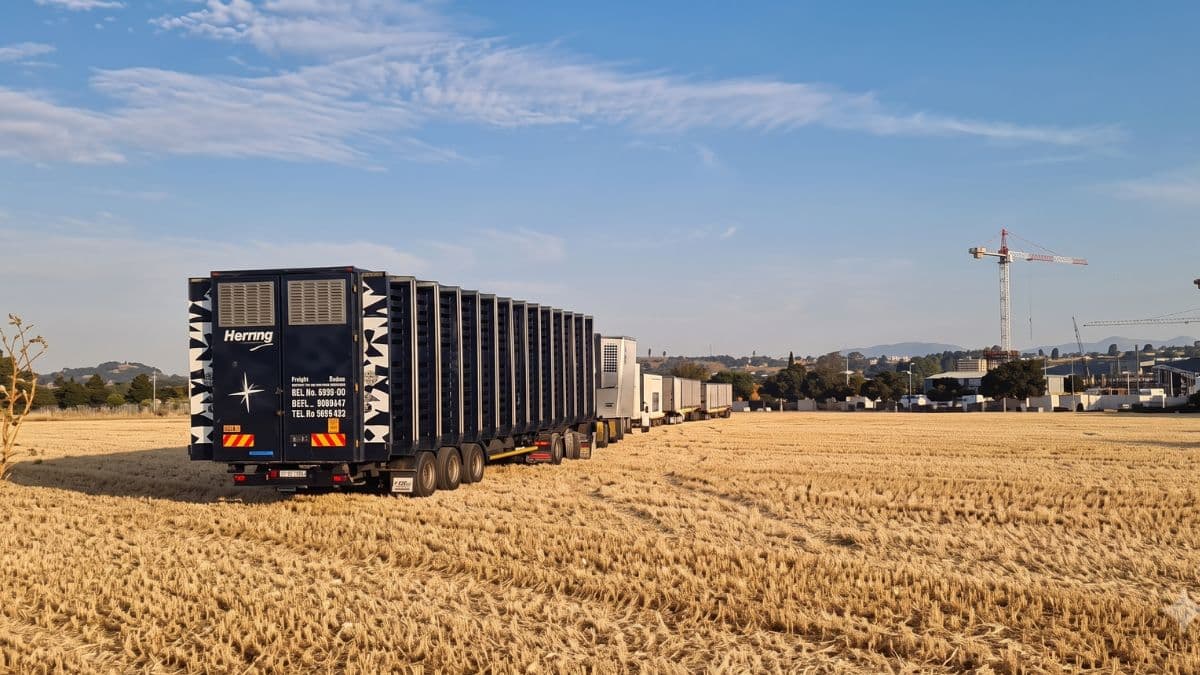
The standard crate allowance of roughly 350 cm² per bird gets adjusted. Federations enforce a 15% to 20% reduction in basket capacity. Less body heat in the crate means better air movement. Transport trucks are required to keep the top row of crates empty to maintain ceiling airflow, while mechanical ventilation runs continuously.
2. Water Availability and Transport Stops
Water is non-negotiable. Convoyers are mandated to make regular watering stops. On hot transport days, birds must have access to drinking troughs right up until release.
3. Capping Flight Distances and Two-Night Stays
When temperatures cross into “Red” territory (32°C / 90°F+), races requiring two nights in the basket (such as major middle-distance or long-distance national races) are cancelled or moved to shorter inland release points. Release times are shifted as early as possible in the morning so birds land before the midday sun peaks.
Heat Protocol Guidelines at a Glance
Temperature Zone | Transport & Crate Rules | Race Adjustments |
25°C – 28°C (Yellow) | Standard ventilation, mandatory water troughs at the clubhouse. | Full schedule, early morning releases monitored closely. |
28°C – 32°C (Orange) | Basket density cut by 15-20%, mandatory watering stops during haul. | Shortened flight distances, capped time in the air. |
32°C+ (Red) | Max truck cooling, top crate rows kept empty, 1-night basket limit. | Cancelled multi-night races, shifted to short inland points. |
Loft Management: What You Need to Do at Home
The heat protocol doesn’t stop at the transport truck, it starts right on your own roof. Here is how experienced fanciers handle heatwaves on the ground:
Cool the Loft Surface: If you have a flat roof or dark tiles absorbing sunlight, spray them down with a hose mid-afternoon. It drops internal loft temperatures by several degrees in minutes.
Avoid Heavy Feeds Before Basketing: Digesting heavy, high-fat grains creates massive metabolic heat inside the crop. Keep feeds light, clean, and easy to digest before basketing.
Don’t Force Flight: Let birds loft-fly early in the morning. If they land after 10 minutes and pant on the roof, leave them alone. Never force extra flying time during heatwaves.
Hydration and Recovery Supplementation: When birds return from a warm race or sit through hot loft days, plain water isn’t always enough to restore fluid balance quickly.
Using an amino acid and electrolyte tonic like Recover Amin Forte right in the drinking water helps rebuild muscle tissue and restores lost minerals rapidly. Giving it upon arrival or during high-heat days speeds up muscle recovery before dehydration can cause permanent stamina damage.
Protecting the Future of the Sport
Nobody likes seeing a long-awaited national race shortened or moved. But self-regulation through a clear Heat Protocol is what keeps our sport respected and sustainable. Showing the public and animal welfare authorities that fanciers put the health of their birds above race points proves that pigeon racing is a professional, forward-thinking sport.
Take care of your loft climate, keep your drinkers fresh, and give your birds the recovery support they need when the mercury rises.
Jan de Wijs
The Pigeon Boss